
Easy Colombian Recipes at Home: Simple Authentic Dishes
Colombian home cooking rewards patience in theory, but in practice many of the best dishes come together in under an hour. Big flavors, forgiving techniques, and ingredients that forgive you if you don’t have everything perfectly measured — this guide walks through the dishes Colombians actually make on ordinary weeknights.
Most Famous Dish: Bandeja Paisa · Signature Soup: Sancocho · Common Home Meal: Chicken with rice · Easy One-Pot Dish: Chicken Sancocho
Quick snapshot
- Bandeja Paisa is Colombia’s national dish (Wikipedia)
- Chicken Sancocho is a one-pot soup ready in under 1 hour (Immigrant’s Table)
- Ajiaco simmers chicken for 30 minutes (Kitchen Confidante)
- Exact regional variations between coastal and Andean recipes
- Whether every household uses sazón or prefers homemade spice blends
- Sudado de Pollo recipe modernized to 12-15 minute versions (My Kitchen Little)
- Traditional overnight marination still practiced for authentic flavor (My Colombian Recipes)
- Recipes adapt well to pantry substitutions when Latin ingredients are unavailable
- Kid-friendly versions gaining popularity with simpler spice profiles
These five Colombian staples form the backbone of weeknight home cooking, from one-pot soups to quick snacks.
| Label | Value |
|---|---|
| National Dish | Bandeja Paisa |
| Popular Soup | Sancocho with chicken |
| Home Staple | Rice and beans |
| Snack Icon | Patacones |
| Recipe Source | My Colombian Recipes |
What is an easy Colombian dish to make?
Colombian home cooking rewards patience in theory, but in practice many of the best dishes come together in under an hour. Sudado de Pollo is the clearest example — a braised chicken stew where the bird cooks low and slow in a spiced tomato broth until the potatoes turn creamy and the meat slides off the bone. According to Chef Billy Parisi (cooking instructor and recipe developer), the final braise takes 25-30 minutes once you’ve seared the skin and softened the onions.
Sancocho basics
Sancocho flips the script on weeknight cooking by using a single pot and requiring almost no attention once it’s boiling. Immigrant’s Table (a recipe blog focused on immigrant home cooking traditions) describes it as chicken, yucca, plantains, corn, and potatoes all swimming together — a soup that works as a full meal.
Patacones quick prep
Patacones are fried green plantains, and they take about 5 minutes of active work once the oil is hot. Slice, fry, press flat with a towel, fry again. That’s it. They travel well as a side and store reasonably well as a leftover.
Arepas from scratch
Arepas use masa harina (cornmeal), water, salt, and a little oil. Mix, form balls, flatten, cook on a griddle. No yeast, no waiting. My Colombian Recipes (a recipe blog with hundreds of traditional Colombian recipes) notes that the dough should be workable but not sticky — a skill you build in the first batch.
What is Colombia’s most famous dish?
Bandeja Paisa holds the title of national dish — a platter built around white rice, red beans, ground beef, chicharrón (fried pork belly), fried egg, plantain, avocado, and arepa. Wikipedia (online encyclopedia) confirms its status and notes that it originated in the Paisa region of Antioquia. The dish is deliberately overbuilt: carbohydrates, protein, and fat all at once. That’s the point.
Bandeja Paisa components
Each element on the bandeja paisa platter cooks separately and assembles at the end. The beans are simmered low and long until thick; the beef is seasoned with cumin and garlic; the chicharrón is fried until the skin blisters. When you eat it, you mix each component with rice and beans — the way the dish was built to be eaten.
Home version simplifications
A home version doesn’t need every component. Skipping chicharrón or using chicken instead of beef still produces something recognizable and satisfying. My Colombian Recipes (a recipe blog focused on traditional family recipes) suggests that keeping the beans, rice, and plantain is what makes it Bandeja Paisa — everything else is negotiable.
Wikipedia overview
The Wikipedia entry on Bandeja Paisa traces the dish to mid-20th century Paisa Antioquia, where it served manual laborers who needed dense calories for physical work. The portion sizes reflect that history.
Bandeja Paisa is calorically dense by design — it was built for farm workers burning thousands of calories a day. For a weeknight dinner, serving it family-style with smaller portions of each component keeps the experience without the food coma.
What do Colombians eat at home?
Daily Colombian home cooking leans toward rice, beans, chicken, and plantains more than elaborate restaurant presentations. Jacada Travel (travel and culture guide) notes that the average Colombian lunch — the main meal of the day — typically includes soup followed by a rice-and-meat plate, with plantains or yuca on the side. Dinner is lighter, often just leftovers or a simple stew.
Daily lunch staples
Lunch starts with a soup course — sancocho, ajiaco, or mondongo (tripe soup) — followed by the main plate. The soup isn’t a starter in the American sense; it often constitutes the bulk of the meal’s nutrition, with the rice-and-protein plate serving as the starch that follows.
Family meals
Colombian home cooking is communal. Recipes are typically written for 4-6 servings because food is made to be shared around a table, not plated individually. This means batch cooking is built into the culture — you make enough for the family and usually enough left over for the next day’s arepas or empanadas.
Simple rice and beans
Arroz con frijoles — rice cooked with beans or served alongside them — is the baseline of Colombian home cooking. Variations include adding coconut milk on the Caribbean coast, cilantro in the interior, or plantains as a sweet counterpoint. My Colombian Recipes (a recipe blog with family heritage focus) describes this as the dish that every Colombian learns to make first.
Understanding that Colombian home cooking centers on soup courses and shared plates reframes the cuisine as practical rather than elaborate. You don’t need a fully stocked pantry — you need rice, beans, a protein, and a root vegetable.
Easy Colombian recipes at home for dinner
Dinner in Colombia is typically lighter than lunch, but that doesn’t mean less satisfying. My Colombian Recipes (a recipe blog with hundreds of traditional recipes) points out that chicken sancocho and arroz con pollo are common dinner choices because they cook in one pot and leave leftovers for the next day.
Chicken sancocho steps
Start with chicken broth — breasts, parsley, cilantro, and green onions simmered for 20 minutes. Strain, return to pot, add grated yucca (500g frozen with heart removed). Make the guiso: diced tomatoes, onion, garlic, achiote oil. Add guiso to broth, then corn cobs, plantains, and potatoes. Boil for 30 minutes total, removing chicken after 15 minutes if it’s cooked through. That’s it.
Quick bandeja
A weeknight bandeja doesn’t need every component. Build the plate around beans, rice, sliced chicken breast seasoned with cumin, and fried plantains. The chicharrón and fried egg are weekend additions. This gets you 80% of the experience in 20% of the time.
Ajiaco soup
Ajiaco is the Andean alternative to sancocho — a chicken, corn, and potato stew where shredded potatoes thicken the broth into something between soup and stew. Kitchen Confidante (food blog specializing in Latin American recipes) notes that the chicken simmers with onion and either oregano or guascas (a specific herb found in Latin markets) for 30 minutes, then shredded potato cooks 15 minutes more to thicken before the corn goes in.
Easy Colombian recipes with chicken
Chicken is the backbone of Colombian home cooking — versatile, affordable, and compatible with nearly every technique the cuisine uses. My Colombian Recipes (a recipe blog listing traditional family recipes) catalogs 10 simple chicken recipes including Arroz con Pollo, Pollo con Leche de Coco, and Chuleta de Pollo, all designed for weeknight execution.
Sancocho recipe
Sancocho with chicken uses a whole cut-up bird, yucca, plantains, corn, and potatoes in one pot. The chicken starts in cold broth, which extracts flavor as the water heats. The yucca (500g frozen with heart removed) goes in early because it takes longer to cook than the plantains or potatoes. Total boil time: 30 minutes.
Arroz con pollo
Arroz con pollo is essentially chicken and rice cooking together — the rice absorbs the braising liquid from the chicken as everything steams. It’s the Colombian version of paella-adjacent cooking, using sazón for color and cumin for flavor. The chicken goes in whole, then gets removed and shredded while the rice finishes in the remaining liquid.
Home adaptations
When Latin ingredients aren’t available, adaptations work: regular potatoes instead of yuca, regular bananas instead of plantains, and taco seasoning as a rough substitute for sazón (cumin, garlic powder, onion powder, paprika). My Kitchen Little (a recipe blog focused on quick weeknight meals) uses Sazón, cumin, and garlic powder for its Sudado de Pollo variation, cutting prep time by skipping the sear entirely — the final simmer takes 12-15 minutes after adding stock.
The traditional Sudado de Pollo from Chef Billy Parisi calls for a 3.5-4 pound whole chicken, a seared skin (4-5 minutes per side), and a 25-30 minute braise — total time around 50 minutes. The My Kitchen Little version skips the sear entirely and cuts that to 12-15 minutes. Neither is wrong; they’re different trade-offs between tradition and convenience.
How to make bandeja paisa at home
Bandeja Paisa at home works best when you treat it as a component meal rather than a single recipe. My Colombian Recipes (a recipe blog with traditional family recipes) walks through each component separately, which is how Colombian home cooks approach it — each element has its own pot, and you assemble at the table.
Component prep order
Start the beans first (they need the longest), then the rice, then the protein, then the plantains. The chicharrón, if you’re making it, goes last since it needs hot oil and takes minutes. The fried egg goes on just before serving.
Simplifying for weeknights
A weeknight bandeja paisa works with canned beans (drained and seasoned with cumin and garlic), pre-cooked rice, and baked chicken thighs instead of fried beef. The plantains still need to be fried or baked, but everything else is assembly.
Serving suggestions
Serve everything on a large platter family-style — that’s the tradition, and it makes cleanup easier since everyone takes what they want. The beans and rice mix together on the plate; the protein and plantains sit on top; the arepa goes on the side.
What are traditional Colombian recipes?
Traditional Colombian recipes cluster around a few core categories: chicken stews (sancocho, ajiaco, sudado), rice-and-bean combinations (arroz con frijoles, bandeja paisa), and corn-based preparations (arepas, envueltos). My Colombian Recipes (a recipe blog with hundreds of traditional recipes from family kitchens) documents recipes across all regions, with emphasis on the home techniques that preserve consistency across generations.
Stews and soups
The Colombian stew repertoire is extensive: sancocho (chicken, yucca, plantain, corn), ajiaco (chicken, corn, potato, guascas), mondongo (tripe with vegetables), and carne en salsa (beef in tomato sauce). All follow the same structural logic — protein starts in cold liquid, vegetables added in layers by cook time, everything simmers until done.
Rice and beans traditions
Colombian rice and beans isn’t baked or refried — it’s typically cooked together as a pot dish or served alongside each other. The beans are always red or black; the rice is white with cumin or sometimes cooked with pieces of chicken for a one-pot meal.
Corn preparations
Arepas are the most familiar; less common but equally traditional are envueltos (corn paste rolled in corn husks and steamed), hormigas culonas (ants pressed into arepas — a regional specialty), and mote (hominy made from dried corn). The My Colombian Recipes archive includes all of these with family provenance notes.
Colombian traditional recipes are built around layering techniques — sear, braise, layer vegetables by cook time — that work across multiple dishes. Once you understand the structure of sancocho, ajiaco, and bandeja paisa, you can improvise within the cuisine rather than following recipes step by step.
How to make arepas at home
Arepas are the entry point to Colombian home cooking — they’re what every Colombian learns to make first, and they’re nearly impossible to ruin. My Colombian Recipes (a recipe blog documenting traditional Colombian cooking) describes the technique as mixing masa harina with water and salt until a workable dough forms, then cooking it on a griddle.
The dough
Mix 1 cup masa harina with approximately ¾ cup warm water and ½ teaspoon salt. The dough should hold its shape when you roll it into a ball without sticking to your hands. If it’s too dry, add water a tablespoon at a time. If it’s too wet, add more masa.
Cooking technique
Form 4-6 discs about ½ inch thick. Cook on a dry or lightly oiled griddle over medium heat, 3-4 minutes per side. They’re done when they sound hollow when tapped and show golden spots on each side.
Stuffing variations
Once you have the basic arepa down, stuffed versions are straightforward: mozzarella (cheese), hogao (tomato-onion sauce), or just a handful of cheese melted inside. My Colombian Recipes catalogs dozens of variations with regional notes.
The most common mistake is overworking the dough — it makes the arepa tough instead of tender. Mix just until combined, then stop. The dough should be rough, not smooth.
What people say
Every home cook in Colombia knows how to make Sudado de Pollo — it’s the dish you turn to when the weather cools and you want something that fills the house with good smells.
— Billy Parisi (Chef, cooking instructor)
This Colombian chicken stew is a delicious, comforting, seared, braised chicken dish. The kind of thing that makes people ask for seconds before they’re finished with their first serving.
— Chef Billy Parisi (Chef, recipe developer)
A traditional Colombian one-pot chicken sancocho recipe is ready in under an hour. The broth is rich, the vegetables are tender, and the whole thing tastes like it sat on the stove all afternoon.
— Immigrant’s Table (food blog, immigrant cooking traditions)
This is my simple Colombian Style Roasted Chicken Legs. Easy and quick recipe for a weeknight meal. The kind of thing you can prep in the morning and forget about until dinner.
— My Colombian Recipes (food blog, traditional family recipes)
Upsides
- One-pot meals reduce cleanup — sancocho, ajiaco, and arroz con pollo all cook in a single pot
- Techniques scale: once you understand layering vegetables by cook time, you can improvise
- Affordable ingredients — chicken, beans, rice, yuca, and plantains are pantry staples
- Batch cooking is built into the culture, making meal prep efficient
Downsides
- Some ingredients (guascas, achiote, yuca) require Latin or specialty grocery access
- Traditional recipes can be time-intensive — Bandeja Paisa has 8+ components
- Authentic versions are high-calorie by design, not ideal for everyday low-carb diets
- Regional variations mean “traditional” covers a wide range of techniques and ingredients
For home cooks outside Colombia, the dishes that travel best are the ones with the fewest non-replaceable ingredients: arepas (masa harina, water, salt), arroz con pollo (rice, chicken, sazón), and sancocho (chicken, yucca substitute with potatoes, plantains). These three recipes give you access to the cuisine’s core technique — layered simmering in a single pot — without requiring a specialty pantry. The My Colombian Recipes archive, Kitchen Confidante, and Immigrant’s Table all provide detailed component-by-component instructions that make the approach accessible.
Related reading: 10 simple Colombian chicken recipes · Colombian Chicken Stew (Sudado de Pollo)
Colombian staples like sancocho pair well with easy Chilean recipes at home, offering simple South American dishes from neighboring kitchens using everyday ingredients.
Frequently asked questions
What are traditional Colombian recipes?
Traditional Colombian recipes center on chicken stews (sancocho, ajiaco, sudado), rice-and-bean dishes (arroz con frijoles, bandeja paisa), and corn preparations (arepas, envueltos). They follow consistent techniques — layered vegetable cooking, one-pot assembly, and communal serving.
What are easy Colombian desserts?
Natillas (vanilla custard), arroz con leche (rice pudding), and brevas (stewed figs) are traditional Colombian desserts with simple ingredient lists. Most use milk, sugar, and a starch thickener — techniques that transfer from general baking knowledge.
What Colombian recipes are good for kids?
Arepas (crispy on the outside, soft inside, mild flavor), arroz con pollo (familiar rice-and-chicken format), and patacones (fried plantains) tend to work well for kids. The mildest versions use less cumin and skip spicy add-ins entirely.
How to make arepas at home?
Mix 1 cup masa harina with ¾ cup warm water and ½ tsp salt until a workable dough forms. Roll into 4-6 discs ½ inch thick. Cook on a medium griddle 3-4 minutes per side until golden and hollow-sounding when tapped.
What ingredients for bandeja paisa?
Bandeja paisa typically includes white rice, red beans, ground beef (or chicharrón), fried egg, plantain, arepa, and avocado. At home, you can simplify to beans, rice, seasoned protein, and plantains — everything else is traditional but optional.
Is sancocho easy for beginners?
Yes — sancocho is one of the most forgiving Colombian recipes. You layer vegetables by cook time (yucca first, then plantains, then potatoes), add the chicken last, and simmer until everything is tender. There’s no precise timing required, just visual cues.
What do Colombians eat for breakfast?
Colombian breakfast commonly includes changua (milk soup with egg), tamales (corn dough stuffed and steamed in banana leaves), or simple bread with coffee. Arepas with cheese are also common, especially in rural areas where they’re made fresh in the morning.
What is a simple Colombian chicken recipe?
Sudado de Pollo is the simplest — sear chicken, soften onions, add tomatoes and spices, braise 25-30 minutes until tender. My Kitchen Little offers a version that skips the sear entirely and finishes in 12-15 minutes for nights when even 30 minutes feels long.
More related posts
 What Is DNS Cache? Definition, Safety, and How to Flush It
 Jon Bon Jovi: Biography, Health, and Relationships
 Robin Williams Cause of Death: Lewy Body Dementia and Suicide
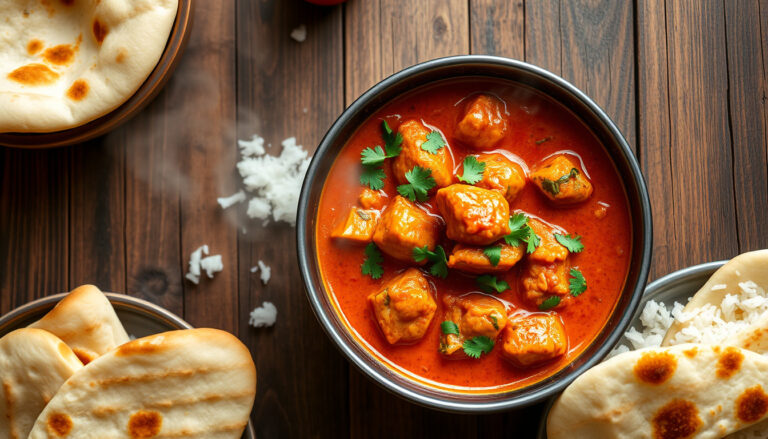 Chicken Tikka Masala Recipe – Restaurant-Style at Home
 India National Cricket Team vs South Africa National Cricket Team Timeline – Head-to-Head Records and Key Matches
 Bad Boys for Life – Plot Cast Ending and Sequel Guide
 Lando Norris: Personal Life, Career, Key Questions Answered
 New Balance Fre h Foam: Podiatri t Pick & Model Guide
